
About the Project
I was born and raised in the mining village of Nordmark, where my father worked as a mine foreman for many years. But I found love in Persberg, and shortly after that a love for Persberg itself — so I started working as an electrician at the Persberg mines in 1970 and stayed for seven years, until bad times hit the mining industry and the mine was threatened with closure. After the mine, I worked at hydropower stations and with water regulation until retirement.
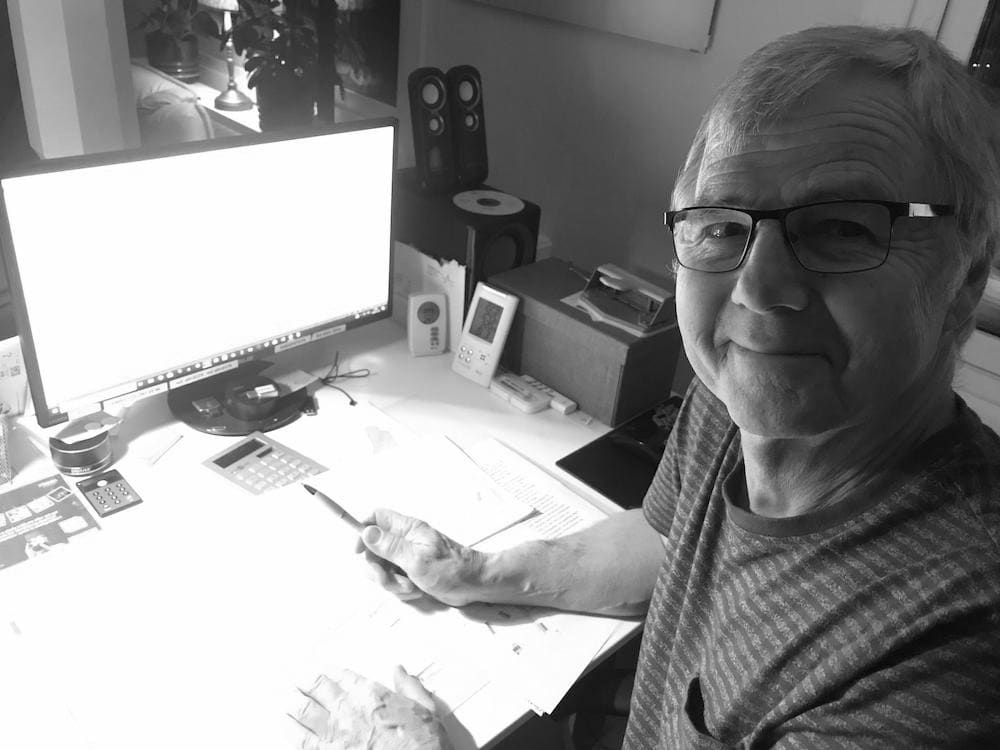
My interest in Persberg's history began with a study circle focused on "Persbergs canal and its significance for mining." Most participants were "Persbergare," so I took the chance to ask about things concerning the village that are only passed down through oral tradition. Many people have patiently answered my questions over the years — but as the saying goes, no one named, no one forgotten.
The material on this website is a compilation of information sourced from the Technical Museum, Värmland Archives, Jernkontorets Annaler, SGU, Persbergs Malmtrakt, the reports on "Filipstads Bergslags Gruvor," supplemented with modern photos of the remaining ruins.
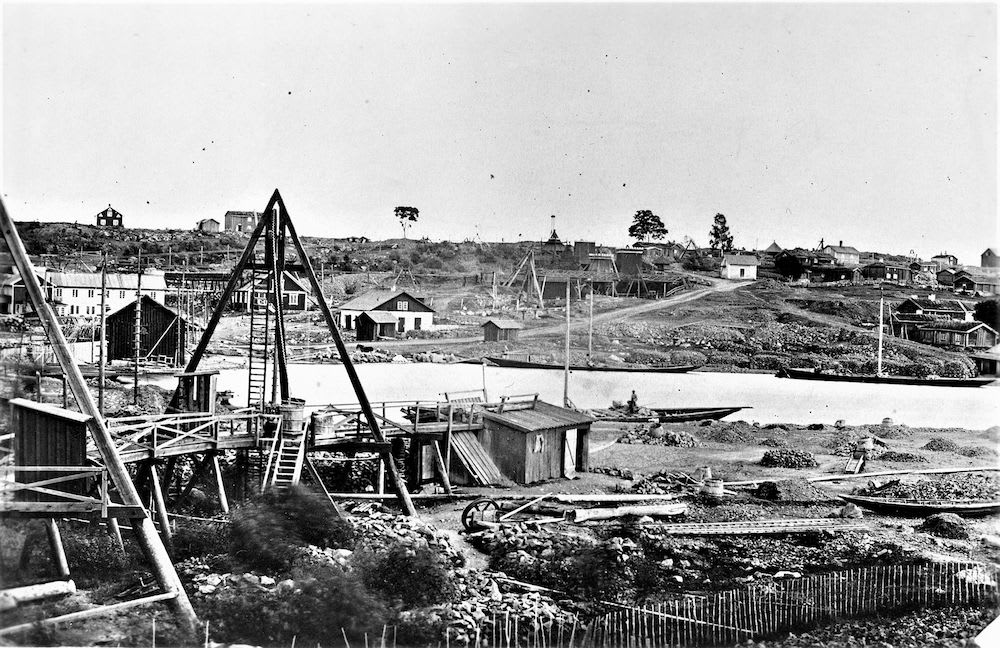
The power shortage at the Persberg mines became an early problem — as the mines grew deeper, more power was needed. In 1752, the first water-powered rod system was built from Yngshytteälv. In 1818, the question was raised about the possibility of moving the waterfalls closer to the mining fields for more power. Construction started in 1820 and was partly completed by the end of 1821. But the need for power kept growing, and by the late 1850s there was again a power shortage. A proposal was presented in 1861 for re-regulation of the waterfalls, increasing output from about 59 hp to 99 hp.
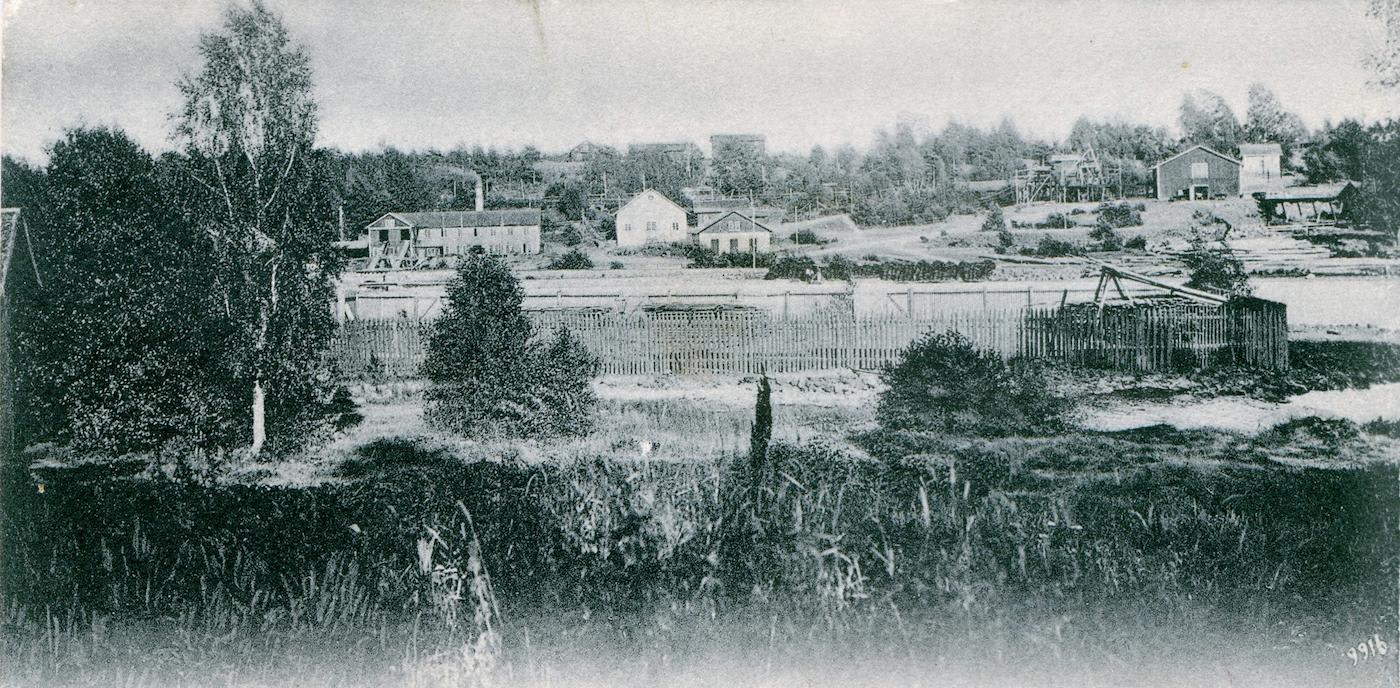
"After gaining access to electric power through a contract in 1905 at the mines belonging to Persbergs Gruvaktiebolag, all water-driven hoists and rod systems have now fallen out of use. The last year any hoist wheel was in operation is 1917. For the construction of the rod system installations, no special companies appear to have been formed — instead, for each mine, a standalone installation was carried out as far as possible. Smaller enterprises could, if local conditions permitted, attach their own rod arms to the large rod systems and paid a certain fee per day and stroke"
Persbergs Malmtrakt Harald Carlborg