Laddar...

Electric Power for the Persberg Mining Field
During the construction of the ore processing plant at Högberget, the question arose of obtaining electric power for the Persberg mining field. In 1903, an agreement was therefore signed with Älvestorp Ironworks Company for the supply of electricity.
According to the contract, valid from 1905 to 1930, the mining field would receive 300 horsepower (hp).
The Transformer Station
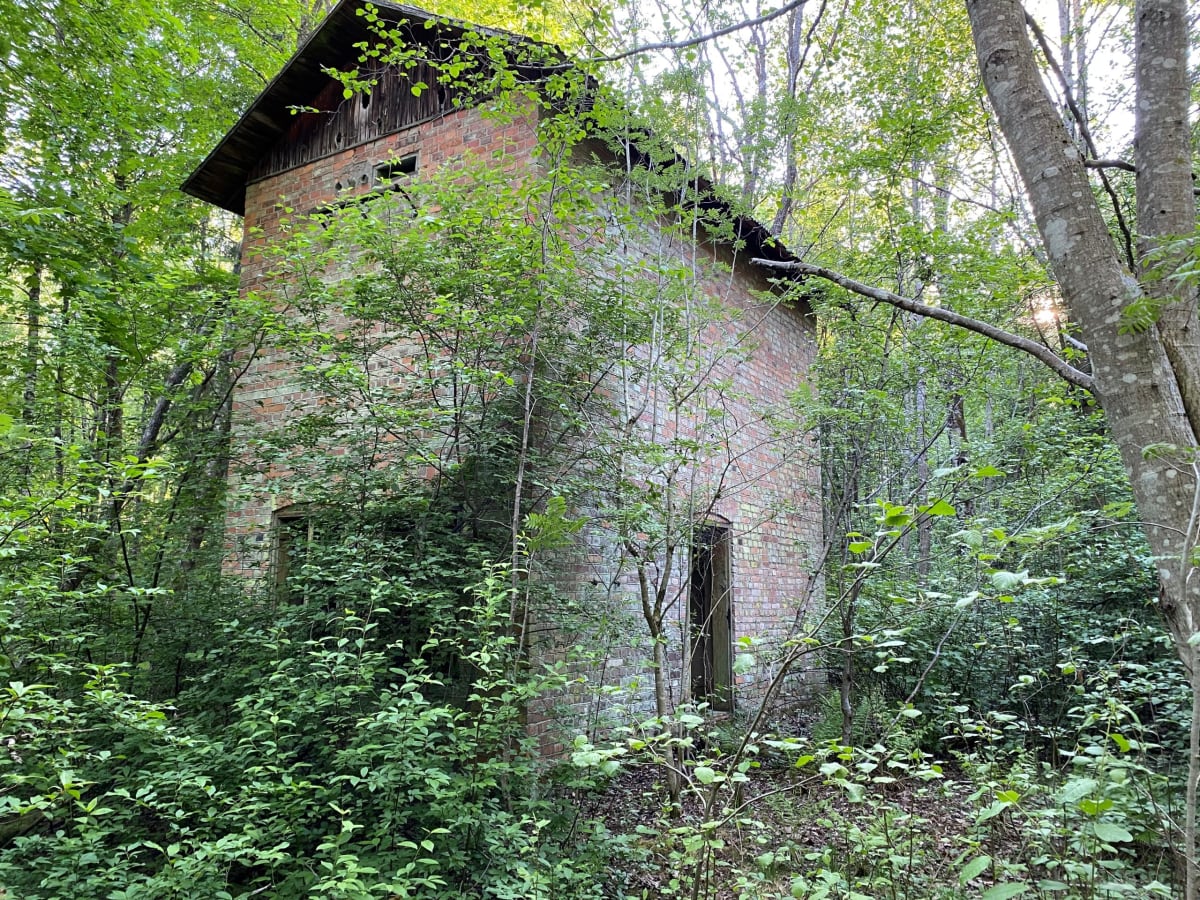
In 1905, the transformer station was put into operation, giving the mining field access to electricity from Älvestorp power station via a 27-kilometre 20 kV transmission line.
At the transformer station, the voltage was reduced to 2000 volts using two air-cooled transformers, after which the electricity was distributed to the major consumers.
The ore processing plant at Högberget was probably supplied with 2000 volts, while 110 volts were used for heating, lighting, and smaller motors.
Electric Pumps Underground
The underground pumps were also powered by 2000-volt motors.
Over time, the air-cooled transformers became heavily loaded. Despite attempts to distribute the load throughout the day – for example by operating the mine pumps at night when the processing plant was not running – the transformers eventually overheated and were destroyed.
The Hydraulic Compressor
The limited availability of power was the reason why a hydraulic compressor was built between 1911 and 1914. The 300 hp supplied under the contract with Älvestorp Ironworks was no longer sufficient.
When the electrically driven compressor was replaced in 1914 by a hydraulic compressor, about 175 hp were freed for other uses, including new hoisting engines within the mining field.
The hydraulic compressor made use of the water power that became available when the water-driven pumping and hoisting wheels were taken out of operation.
A New Transformer Station
In 1919, a new transformer station was put into operation. An oil-cooled transformer was installed, while the older transformers were kept as reserves.
The building still exists today and is used as a storage facility by OMYA.
That same year, work also began on electrifying the houses in the village.
Proposed electricity prices for households can be seen in Figures 5, 6 and 7.
Reserve Power
In case of interruptions in the electricity supply from Älvestorp, a small additional supply could be obtained from Stamparbo power station in Nordmark.


