Laddar...
Östra Åskagshyttan
 Technology
Coordinates: 59.69286, 14.37230 (WGS84)
Type of Facility: Blast furnace (iron production)
Established: ca 1560
Two furnaces from: 1641 (Western and Eastern)
Western Åskag Furnace
The original furnace
Operation ended: 1704
Eastern Åskag Furnace
Established 1641 by Sigfrid Olofsson
Took over full operation 1704
Period of Operation:
ca 1560 – 1860 (approximately 300 years)
Owner after closure:
Mölnbacka–Trysil AB purchased the area 1908
Other facilities at the site:
Small sawmill (probably only for household use)
Household mill (millstones reportedly still exist)
Established: ca 1560
Two furnaces from: 1641 (Western and Eastern)
Western Åskag Furnace
The original furnace
Operation ended: 1704
Eastern Åskag Furnace
Established 1641 by Sigfrid Olofsson
Took over full operation 1704
Period of Operation:
ca 1560 – 1860 (approximately 300 years)
Owner after closure:
Mölnbacka–Trysil AB purchased the area 1908
Other facilities at the site:
Small sawmill (probably only for household use)
Household mill (millstones reportedly still exist)
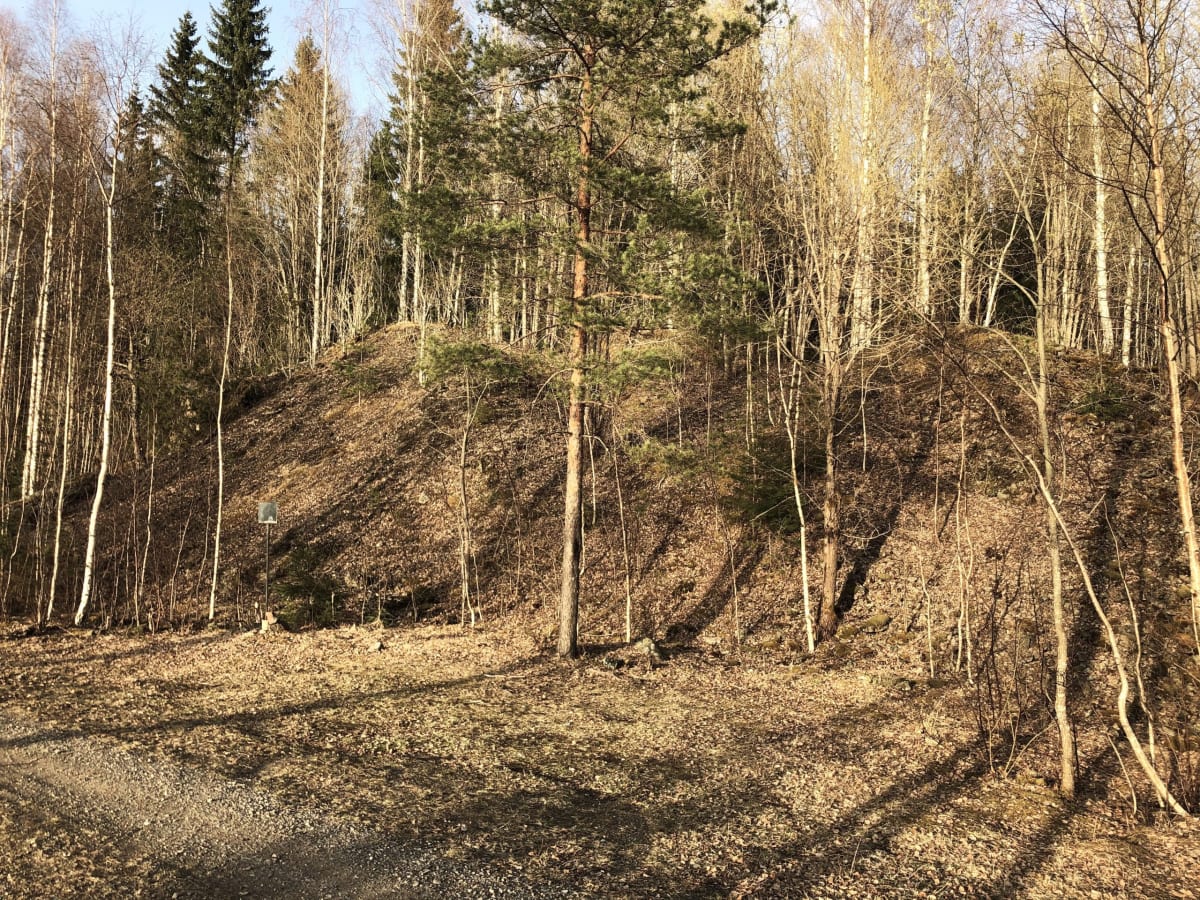
Type of Facility: Blast furnace (iron production)
Established: ca 1560
Two furnaces from: 1641 (Western and Eastern)
Western Åskag Furnace
The original furnace
Operation ended: 1704
Eastern Åskag Furnace
Established 1641 by Sigfrid Olofsson
Took over full operation 1704
Period of Operation:
ca 1560 – 1860 (approximately 300 years)
Owner after closure:
Mölnbacka–Trysil AB purchased the area 1908
Other facilities at the site:
Small sawmill (probably only for household use)
Household mill (millstones reportedly still exist)
Established: ca 1560
Two furnaces from: 1641 (Western and Eastern)
Western Åskag Furnace
The original furnace
Operation ended: 1704
Eastern Åskag Furnace
Established 1641 by Sigfrid Olofsson
Took over full operation 1704
Period of Operation:
ca 1560 – 1860 (approximately 300 years)
Owner after closure:
Mölnbacka–Trysil AB purchased the area 1908
Other facilities at the site:
Small sawmill (probably only for household use)
Household mill (millstones reportedly still exist)
The Eastern Åskag Furnace
In 1641, Sigfrid Olofsson, the son of Olof Sigfridsson, built a new furnace east of Lake Åskagen. From then on there were two furnaces at Åskagen: the western and the eastern.
The eastern furnace is first mentioned in the mining reports of 1656, which state:
”A man named Sigfrid Olofsson in Åskagen has built a separate blast furnace, since there is little water power at the original furnace, only 1/16 mile from the old Åskagen.”
Description in the 1680 Mining Reports
The mining reports of 1680 describe Åskagen as follows:
(original historical quotation preserved)
Conflicts Between the Furnaces
Since Sigfrid Olofsson still owned shares in the western furnace, disputes arose between the furnace owners. These were settled at the mining court in Persberg in 1682, in favour of the western furnace.
The conflicts continued for more than 20 years, but in 1704 a settlement was reached. Sigfrid Olofsson’s sons transferred 7/12 of the eastern furnace to the miners of the western furnace.
At the same time, operations at the western furnace ceased, and production was concentrated at the eastern furnace.
Operation in the 18th Century
For several years afterwards, operations seem to have continued without major problems.
In 1713, the mining master Johan Kiällman in Filipstad reported that the five furnaces around Lake Yngen no longer wished to supply firewood to the Persberg mine, but instead wanted to purchase their ore with cash. As a result, the mine’s assigned Yngshytten forest began to be seriously depleted.
After a meeting between the mining master and the miners, the old practice was restored: half payment in firewood from their own forests and half in money at the established price.
Closure and Later Use
In 1860, after 300 years, iron production at Åskagen ended.
Mölnbacka–Trysil AB purchased Åskagen in 1908.
The previously mentioned sawmill was probably intended only for local use and was therefore never taxed. Near the furnace there was also a small mill for household use, whose millstones are said to remain.
In 1641, Sigfrid Olofsson, the son of Olof Sigfridsson, built a new furnace east of Lake Åskagen. From then on there were two furnaces at Åskagen: the western and the eastern.
The eastern furnace is first mentioned in the mining reports of 1656, which state:
”A man named Sigfrid Olofsson in Åskagen has built a separate blast furnace, since there is little water power at the original furnace, only 1/16 mile from the old Åskagen.”
Description in the 1680 Mining Reports
The mining reports of 1680 describe Åskagen as follows:
(original historical quotation preserved)
Conflicts Between the Furnaces
Since Sigfrid Olofsson still owned shares in the western furnace, disputes arose between the furnace owners. These were settled at the mining court in Persberg in 1682, in favour of the western furnace.
The conflicts continued for more than 20 years, but in 1704 a settlement was reached. Sigfrid Olofsson’s sons transferred 7/12 of the eastern furnace to the miners of the western furnace.
At the same time, operations at the western furnace ceased, and production was concentrated at the eastern furnace.
Operation in the 18th Century
For several years afterwards, operations seem to have continued without major problems.
In 1713, the mining master Johan Kiällman in Filipstad reported that the five furnaces around Lake Yngen no longer wished to supply firewood to the Persberg mine, but instead wanted to purchase their ore with cash. As a result, the mine’s assigned Yngshytten forest began to be seriously depleted.
After a meeting between the mining master and the miners, the old practice was restored: half payment in firewood from their own forests and half in money at the established price.
Closure and Later Use
In 1860, after 300 years, iron production at Åskagen ended.
Mölnbacka–Trysil AB purchased Åskagen in 1908.
The previously mentioned sawmill was probably intended only for local use and was therefore never taxed. Near the furnace there was also a small mill for household use, whose millstones are said to remain.
Source:
Karl Löfström – Åskagssläkten: The History of a Värmland Mining Family


